don’t wind back the clock on medicine

You’re probably familiar with the old axiom that it’s not what you say, but how you say it that matters. However, that’s not entirely true. The way you make your argument can flock people who agree with your basic premise to your side and maybe sway a couple of neutral observers. But carefully wielded words specifically intended to appeal to the right set of emotions, are much more potent. A perfect example of that is a recent comment about my coverage of a study which investigated why quack medicine is so prevalent throughout the world.
It hits all the high notes, casting all modern medication as poisons being peddled by clueless doctors, trying to appeal to our wholesome feelings about nature by asking why we don’t trust what it provides us and leaving us with the plea to be more open minded. Like most defense of alternative medicine, it’s emotional and more than a little misleading. By asking you to choose between “man-made poison” and what nature provides us in herbs, it sets up a classic false dichotomy. And in my case, I would take the so-called poison over some herb any day of the week. Why? Because I have no idea what all those earthy sounding mixtures actually contain or what exactly will happen when I ingest them. There’s no approval by the FDA, no study, no authority to which I could appeal for a review of what happens if I take it for a long period of time. With modern medication, I could at least try to get an idea of what it will do to my body. With herbs, there’s seldom such luck.
Another interesting little tidbit is that the most potent poisons we know of are found in nature. The bite of a big Sydney funnel web spider is fatal without swift medical attention. Komodo dragons have mouths filled with all sorts of horrifying bacteria that seeps into wounds left from their bites and leads to a very painful death. Some frogs are also about as safe to handle as a biological weapon. Predation on our planet created a biosphere in which horrifying toxins are frequently used weapons. And they’re all natural, reaching their current composition over millions of years. Oh, and did I mention plants with poisonous leaves? To say that man-made medicine is poisonous but that we should trust something that nature provides because it’s nature, is to forget that most of our biosphere is actively engaged in killing for survival and if you don’t watch what you ingest, you might end up as yet another victim of natural selection.
Of course nature does offer a number of compounds that can be used to help us which is why, contrary to the dogma of herbal advocates, drug companies use quite a few natural extracts and by-products of venoms for a wide variety of medications. Those supposed “man-made poisons” are often based on what nature provides, so when an alternative medicine proponent ridicules modern pharmacology, he’s also unwittingly taking aim at the plants and animals which provide the base for its products. The very same plants and animals he later holds as superior to the experts who practice evidence-based medicine. Obviously, that proponent really isn’t familiar with the topic and relying on the wordplay to make a point because the science isn’t there to back up his claims and outrage at how anyone would be so foolish to believe that humans are smarter than nature in making remedies. Rather than do a quick search and find ongoing projects which scour nature to look for the new cancer cure or HIV treatment, he tries to tap into New Age sensibilities.
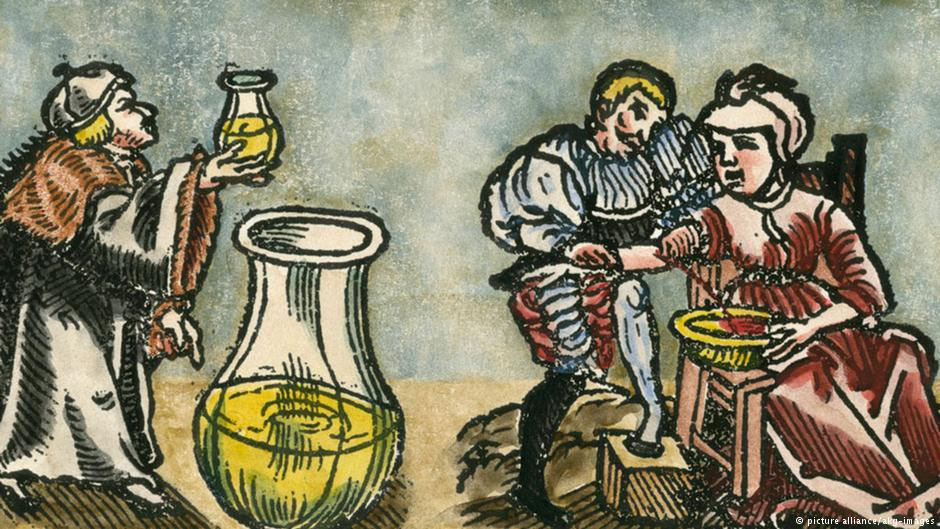
Interestingly enough, herbal medicine and many alternative treatment methods have a very long track record. Our ancestors used them for thousands of years and we can compare their life expectancy and the quality of their care to that of the modern world. After developing vaccines, antibiotics and solidifying the germ theory of disease, we’ve been able to subdue polio, mumps, rubella and measles, eradicate smallpox, drive down the previously terrifying infant mortality rate and double life expectancy. In less than a century, today’s principles of medicine were able to do what traditional remedies couldn’t since Neolithic times. Granted, at the time when homeopathy and modern incarnations of herbal remedies were invented, doctors still had a hard time getting a grip on why people got sick and how to treat most diseases. Going to the hospital back then was gambling with your life and people would embrace alternative treatments because they didn’t make things worse.
We’ve come a long way since then and the results are very clear if we look at the drastic improvements to our quality of life. Why should we wind back the clock to the days when diseases were thought to be evil spirits or black magic spells contaminating the body and the cure was a chi re-alignment followed by an aura polishing until the light from your chakras repelled any ghost in the vicinity?