Skip to content

why the roads aren’t buzzing with electric cars

2009 October 16
by gfish

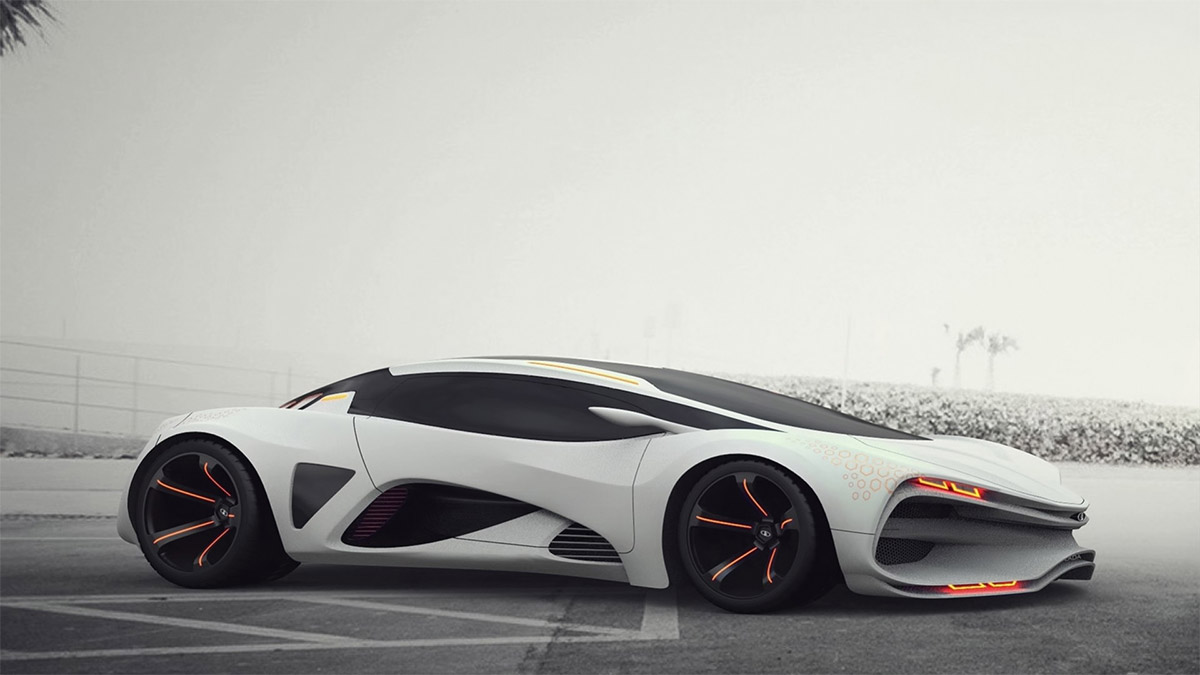
It’s been about a century since internal combustion engines appeared and at the rate the we’re inventing new technologies today, you might wonder when we’ll have a replacement. Considering that today, geopolitics are centered around oil and will be for sometime to come, trying to fulfill the promise of cars that run on electrical power would drastically cut the amount of oil developed nations would have to import and give them a major advantage next time the countries of OPEC flex their muscles to get something they want. In addition, instead of facing a grim fate as glorified golf carts, the electric cars being currently designed for the future look like the sort of vicious driving machines any car enthusiast would definitely want to take for a spin on the highway…

peugeot leonin concept

So why aren’t automakers delivering more electric cars right now? Sure, they would have to troubleshoot the problems being encountered by companies which want to build fully electric vehicles. But they employ a huge staff of engineers and run factories and design studios which can devote several years to the task. Instead, they’re conservatively sticking to plug-in hybrid concepts or working on making existing engines just a little bit more efficient. Why? Because the electric cars they could offer would be a niche with sticker prices of $50,000 and up, putting them firmly into the same echelon as the Acura RL, the BMW 5 Series the Lexus GS, and the Infinity M Class. And if this is who they’ll have to go up against to pay for the electric engines and motors, they would have to stuff them with all sorts of extras luxury customers expect. The financials look somewhat grim for a machine you have to assemble pretty much from the ground up rather than just source its parts.

Another stumbling block, and this is a big one, is the lack of infrastructure to support electric cars. Pretend for a second that you’re in the market for high end luxury cars can can afford either a top of the line conventional car or an electric. If you take your new RL on a long road trip and run low on gas, there’s almost always a gas station within reach. You could just fill up and continue on your merry way. Not so with an electric. After you’re out of your initial charge, even if it’s some 400 miles, you’re pretty much stuck. These cars would be confined to the city where they’re bought. Some entrepreneurs have tackled this problem, planning stations that would swap out of charge batteries with freshly charged ones, or setting up accessible charging stations throughout a major metropolitan area. However, those plans either require that batteries in electric cars would be made compatible with every other battery type or that billions upon billions are spent on adding a brand new layer of infrastructure to serve a market that doesn’t really exist yet.

One day, electric cars are bound to replace our existing petrol guzzling fleet, but doing so will be an uphill and drawn out challenge. These machines will have to replace thoroughly tested, reliable, mass produced cars on the road today and to do that, they need to achieve a solid range, be easy to maintain and recharge, compete on price and be just as reliable. Current prototypes on the market today still struggle even with these basics, but considering that this is brand new technology, that’s to be expected. Just don’t expect them to improve by the artificial deadlines set by optimistic entrepreneurs and politicians looking to get green cred.


  • Share/Bookmark
3 Comments leave one →
  1. October 16, 2009

    The IC engine (which initially burned grain alcohol) and the electric motor came around about at the same time. Me, being of a conspiratorial bend, theorize that the Standard Oil Company (run by the Rockefellars of course) had a lot to do with creating the fossil fuel infrastructure we have today. So of course oil companies still control this infrastructure and vehicles still use refined oil products.

    These companies almost own almost all “green tech” and electric patents.

    They are going to bleed fossil fuels dry to the end and the infrastructure changes will go slow enough as so the corporations still maintain a profit through the transition.

    Of course, it’s just a wacko conspiracy theory.

  2. gfish permalink*
    October 16, 2009

    Hey, would you look who’s back?! It’s been a while Dad…

    “So of course oil companies still control this infrastructure and vehicles still use refined oil products.”

    Yes, that’s absolutely true. However, companies exist to serve markets. Considering that there is no real market for electric cars, just a few test models which are still not working quite right, there’s no incentive for them to partner up with utility companies to plan any sort of major infrastructure overhauls.

    So we end up with a catch-22. We need a market in order to get the infrastructure to service it, but in order for that market to grow, the infrastructure needs to be there. As much as some people might not like it, it could require government intervention to really get a serious number of electric cars on the road in the next 20 to 35 years.

    “They are going to bleed fossil fuels dry to the end and the infrastructure changes will go slow enough as so the corporations still maintain a profit through the transition.”

    Staving off change to preserve profits is a exactly the first reaction you’d expect a CEO of an oil company to have. However, they don’t have to bleed fossil fuels dry to keep up profitability during a transition. They just need to work out a new business model.

  3. November 21, 2009

    Well, this is a very efficient motor engine, to have your own movil power plant with you.

    New Technology Submission – Gearturbine – Atypical:

    http://gearturbine.260mb.com/

    YouTube Video; Atypical New * GEARTURBINE / Retrodynamic

    GEARTURBINE -Atypical Combustion Turbine Engine, -New Thermodynamic Technology, -With Retrodynamic “Dextrogiro vs Levogiro” Effect, is when the inflow direction moves is against of the circular rotary dynamic, RPM Rotor Move VS Inflow Conduits Way, making in a simple way a very strong concept of power thrust, a unique technical cuality. -Non Waste, parasitic losses form-function engine system for; cooling, lubrication & combustion; -Lubrication & Combustion inside a conduit radial position, out way direction, activated by centrifugal force (centrpetal to in), -Cooling in & out; In by Thermomix flow & Out by air Thermo transference, activated by the dynamic rotary move, -Increase the first compresion by going of reduction of one big circunference fan blades going to, -2two very long distance cautive compression inflow propulsion conduits (like a digestive system) (long interaction) in perfect equilibrium well balanced start were end like a snake bite his own tale, -Inside active rotor with 4 pairs of retrodynamic turbos (complete regeneration power system ), -Mechanical direct “Planetary Gear” power thrust like a Ying Yang (very strong torque) (friendly loose friction) 2two small gears in polar position inside a bigger shell gear, wide out the rotor circunference were have much more lever power thrust, lower RPM in a simple way solution for turbines, to make posible for a some new work aplication (land). -3 Stages of inflow turbo compression before the combustion. -3 points united of power thrust; 1- Rocket Flames, 2-Planetary Gear & 3-Exhaust Propulson, all in one system. -Combustion 2two continue circular moving inside rocket Flames, like two dragons trying to bite the tail of the opposite other. -Hybrid flow system diferent kind of aerolasticity thermoplastic inflow propulsion types; single, action & reaction turbines applied in one system, -Military benefits, No blade erosion by sand & very low caloric target profile. -Power thrust by barr (tube); air sea land & generation aplication, -With the unique retrodynamic technical cuality of “dextrogiro vs levogiro” effect is when the inside flow moves against of the rotor moves making a very strong concept, RPM Rotor Move VS Inflow Conduits Way (an a example is like to move the head to the side of the strike ponch) -A pretender of very high % efficient power plant looking to make posible a cheap electrolysis. -Patent From;Dic 1991 IMPI Mexico #197187

Leave a Comment

Note: You can use basic XHTML in your comments. Your email address will never be published.

Subscribe to this comment feed via RSS