climategate reporters go into conspiracy mode

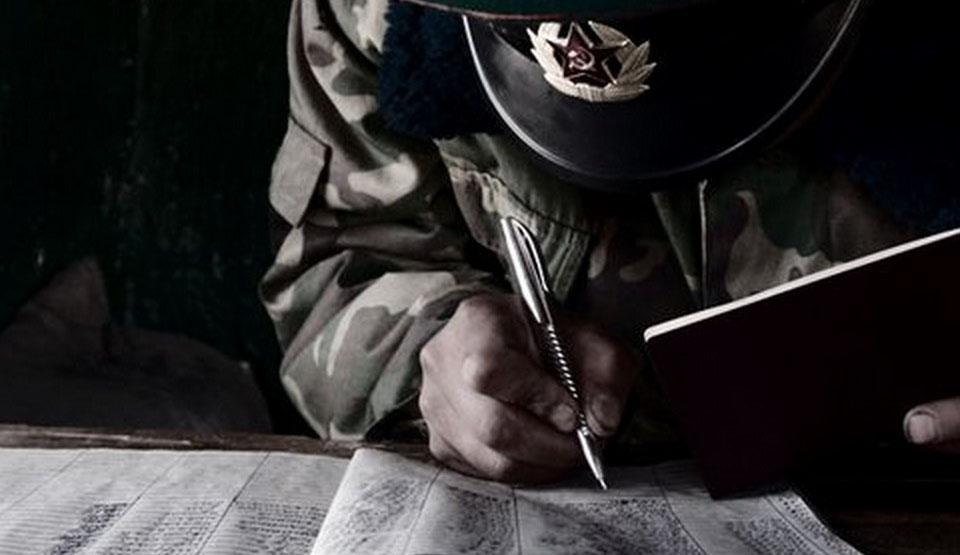
TreeHugger has picked up on story in the UK’s Independent which says that the hackers who released all the potentially incriminating e-mail snippets from the CRU at the University of East Anglia may be ex-KGB agents working for a sinister goal. The evidence? Just like many nations with expansive computer networks, Russia has been getting its hackers ready for full scale military operations which would launch huge denial of service attacks at the websites of government agencies or infiltrate secure servers to steal valuable intelligence. Just how powerful these tactics could be was seen earlier this year when a team of hackers attacked Twitter and Facebook to silence a blogger who’s posts were a major thorn in the side of a very certain government…
But there’s a bit of a snag here. Why would Russian intelligence agencies, who generally deal with some very nasty business going on between organized crime and government officials, waste time with trying to attack a global warming modeling lab? The issue of global warming isn’t much of a hot button in Russian politics and despite being asked to cut carbon emissions, neither Medvedev of Putin ever had a problem ignoring what an international panel implored them to do, citing their national interest as justification for their stance. And that’s where the Independent’s story gets really weird…
Up in the far northern reaches of Russia, there are stretches of hundreds of miles of boggy tundra; human settlements are few and far between. […] Much of Russia’s vast oil and gas reserves lie in [those] difficult-to-access areas of the far North. One school of thought is that Russia, unlike most countries, would have little to fear from global warming, because these deposits would suddenly become much easier and cheaper to access.
Methinks that Shaun Walker, the writer of the original article, was quoting an awfully simplistic idea of how big of an effect global warming will have on the Russian Federation. The worst case scenario shows a warming of about six degrees worldwide which is not exactly going to thaw out Siberia and make it easy to access the vast reserves of oil, coal and natural gas scattered under the permafrost. And the warming would take as long as a century to reach these levels, which would mean that a nation strapped for cash and interested in doing a little geoengineering to make a profit would have to wait for decades until its plan came to fruition. Meanwhile it’s the remoteness of these resources which helps Russia negotiate the highway robbery type deals it does with international energy conglomerates. Not to mention that woefully outdated Soviet infrastructure might not survive a major climactic shift, a point prominently noted in the article, and the government simply wouldn’t be able to fund the construction of new roads and cities.
True, the hacking of CRU’s servers and the amount of time it took to parse thousands of e-mails to find some of the most potentially incriminating bits points to a professional hit job and considering the timing, it’s not an immense stretch of the imagination to consider that someone invested a whole lot of money into this. But we know of other interests who would have much more to gain from fanning the political flames. Industry groups, lobbies and powerful think tanks who back denialists across the world tend to come to mind. Looking towards Russia for the smoking gun might be a pointless exercise. Their cyber-military has much bigger fish to fry and deals with problems the government finds far more immediate than global warming.