why a.i. is designing and printing viruses
Yes, it sounds horrifying, but this technology can be used to prevent a brewing global crisis and cure complex diseases.

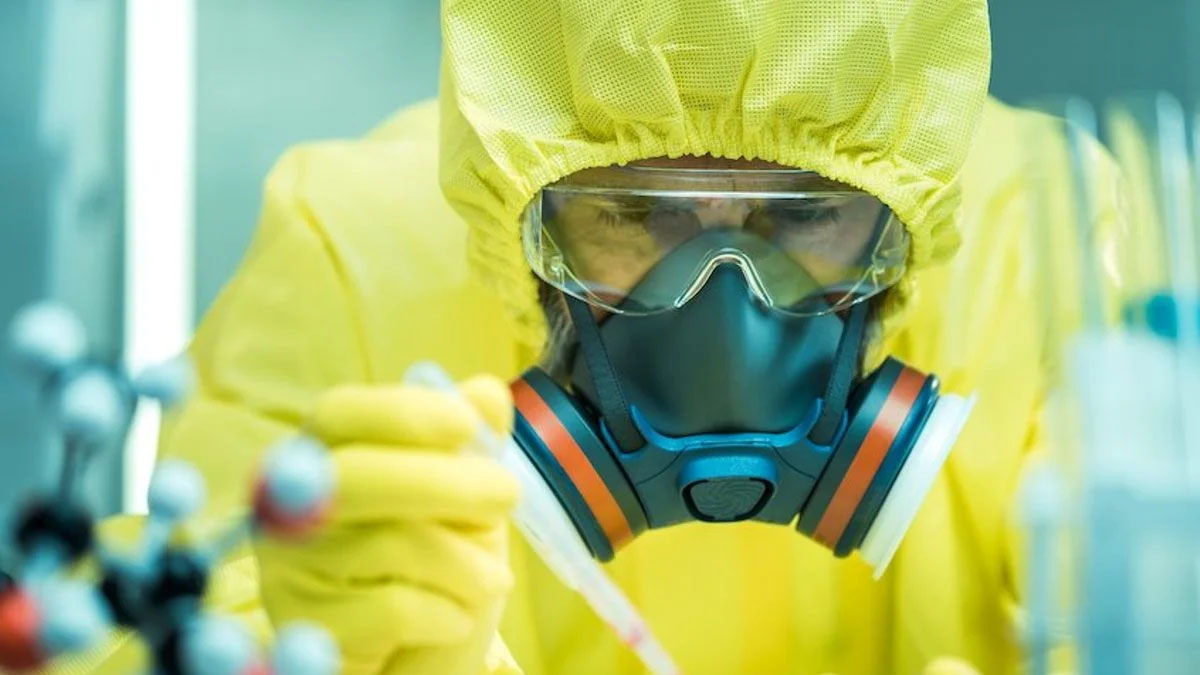
While much of Silicon Valley seems devoted to a cargo cult promising to turn chatbots most people very much dislike and want off their devices, into a vehicle for attaining a sort of digital godhood, scientists are using AI to solve real world problems. The latest demonstration of how effective this has been is a virus with a genome engineered by AI, then 3D printed to infect and kill certain bacteria with ease. It sounds like the start of a dystopian sci-fi movie, but this is actually the kind of technology we may need for dealing with cancers and superbugs.
Now, a couple of caveats. This was not ChatGPT being asked to write a new genome, but a specially designed and trained model, nor did it just invent a brand new life form from scratch. Scientists used an existing virus that infects bacteria as a template and tested 302 modifications to its fairly simple genetics. Only 16 worked when printed as living organisms — which we’ve been able to do since 2010 — but a few worked really, really well, spreading through the target bacteria like a doomsday plague.
Again, sounds horrifying, I get it. However, with bacteria increasingly becoming more and more resistant antibiotics, largely thanks to over-prescription, overuse in factory farming, and people frequently forgetting to finish their entire courses of treatment, a new solution for killing them is needed if we still want to have nice things like surgery and not dropping dead of an infected scratch or scrape.
One of the most popular solutions has been bacteriophages, or viruses which infect a specific strain of bacteria, and they’ve been used in patients with positive effects. But at the same time, it can be very difficult to dial them in just right, and finding the right combinations of genes in these viruses is very time consuming.
So, just like AI is used to come up with more possible treatments for these superbugs by crunching through every possible pharmacological agent we know of to discover a new class of antibiotics, or see if existing drugs can have an antibiotic effect, it’s now being unleashed on viruses to find how to tweak them to act like targeted antibiotics, potentially treating some of the worst, most drug-resistant superbugs we encounter, ones for which even treatments of last resort offer a coin toss of a chance.
Pushing this technology even further could yield viruses for gene therapy, treating a whole host of potential conditions, and most importantly, identifying cancer cells for our immune cells to attack, or silencing malformed genes that could lead to cancer or enable metastatic processes. It’s going to take a lot of trial and error but armed with this technology, we have all the pieces to make this research feasible.
If you’re still worried that this technology could be misused by malicious agents with their own AIs, that’s a very valid concern. Thankfully, as quickly as malicious AIs can come up with viruses and chemical agents, those in control of doctors and scientists can come up with countermeasures and cures. And yes, this has been simulated in a lab before since it’s kind of an obvious threat to consider.
Given that the technology to do all of this is already out there and has been for over a decade in one way or another, it only makes sense to try and use it for as much good as possible while strictly regulating against problematic usage. There is simply far too many potential rewards, and billions of lives to be saved, prolonged, or improved.